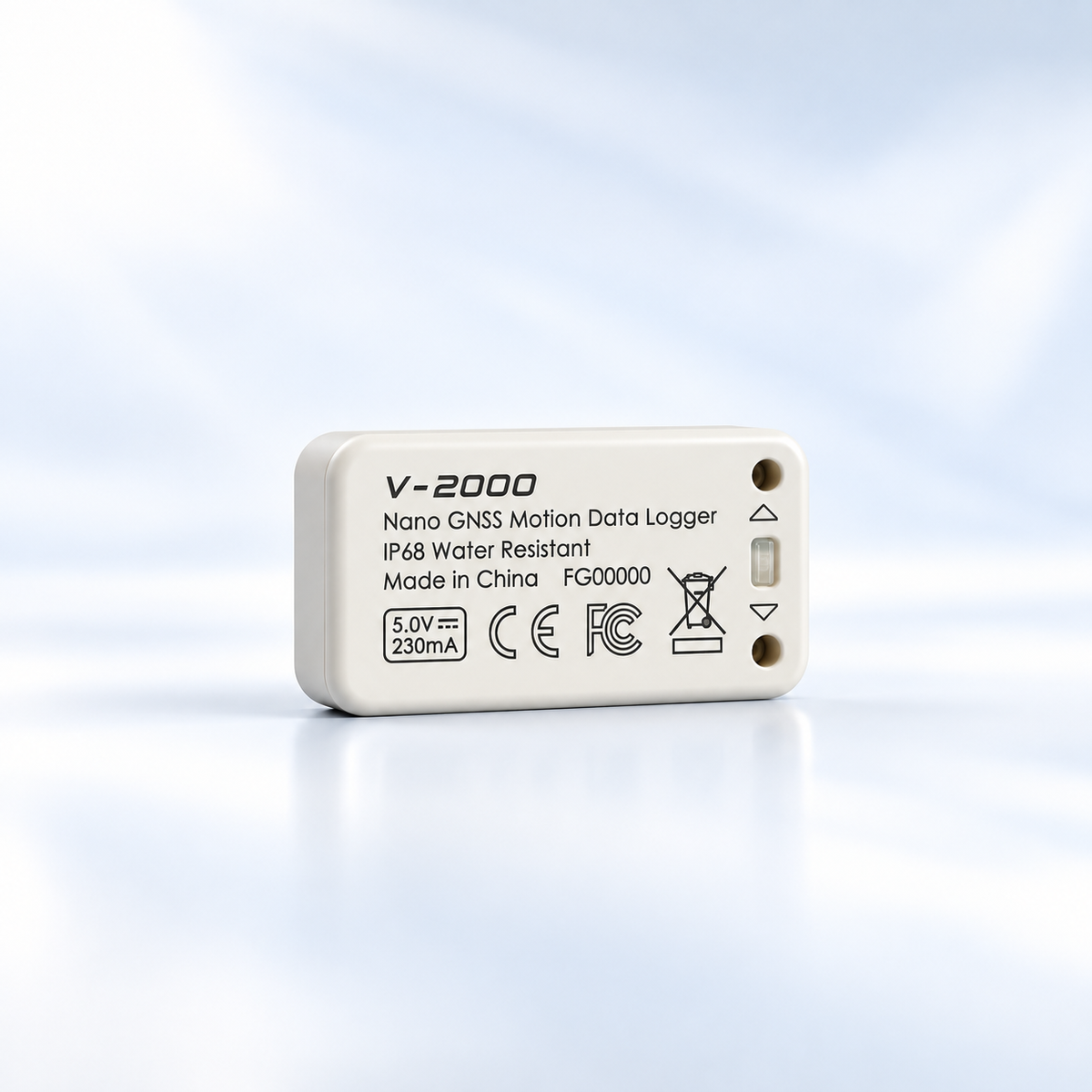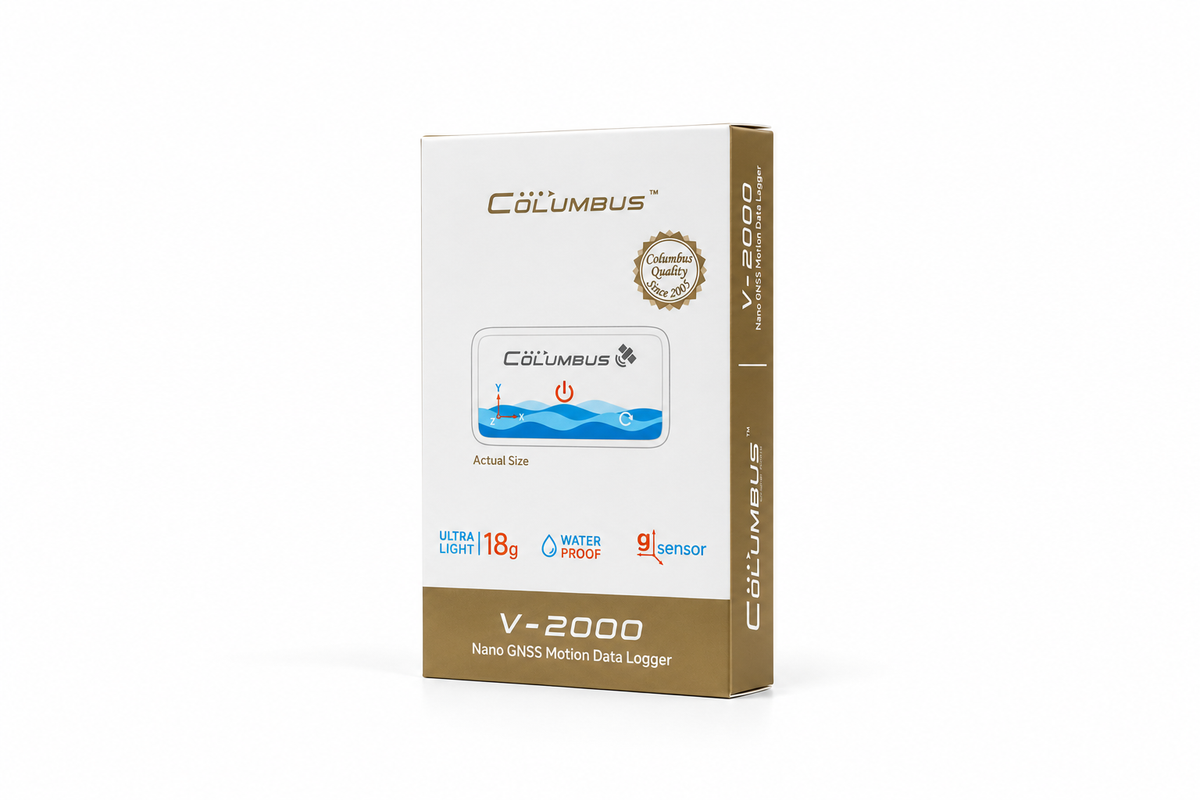


Columbus V-2000 Nano GNSS Motion Data Logger – Animal Behavior & Wildlife Tracking, Human & Field Research, 18g IP68 Waterproof High-Performance Logger with 3-Axis Motion, Up to 2 Months Interval Logging
Columbus V-2000 Nano GNSS Motion Data Logger – Animal Behavior & Wildlife Tracking, Human & Field Research, 18g IP68 Waterproof High-Performance Logger with 3-Axis Motion, Up to 2 Months Interval Logging
Country of Origin: China
Couldn't load pickup availability
Volume Discount Table
| Minimum Qty | Discount |
|---|---|
| 10 + | 10% off |
| 50 + | 15% off |
| 100 + | 20% off |
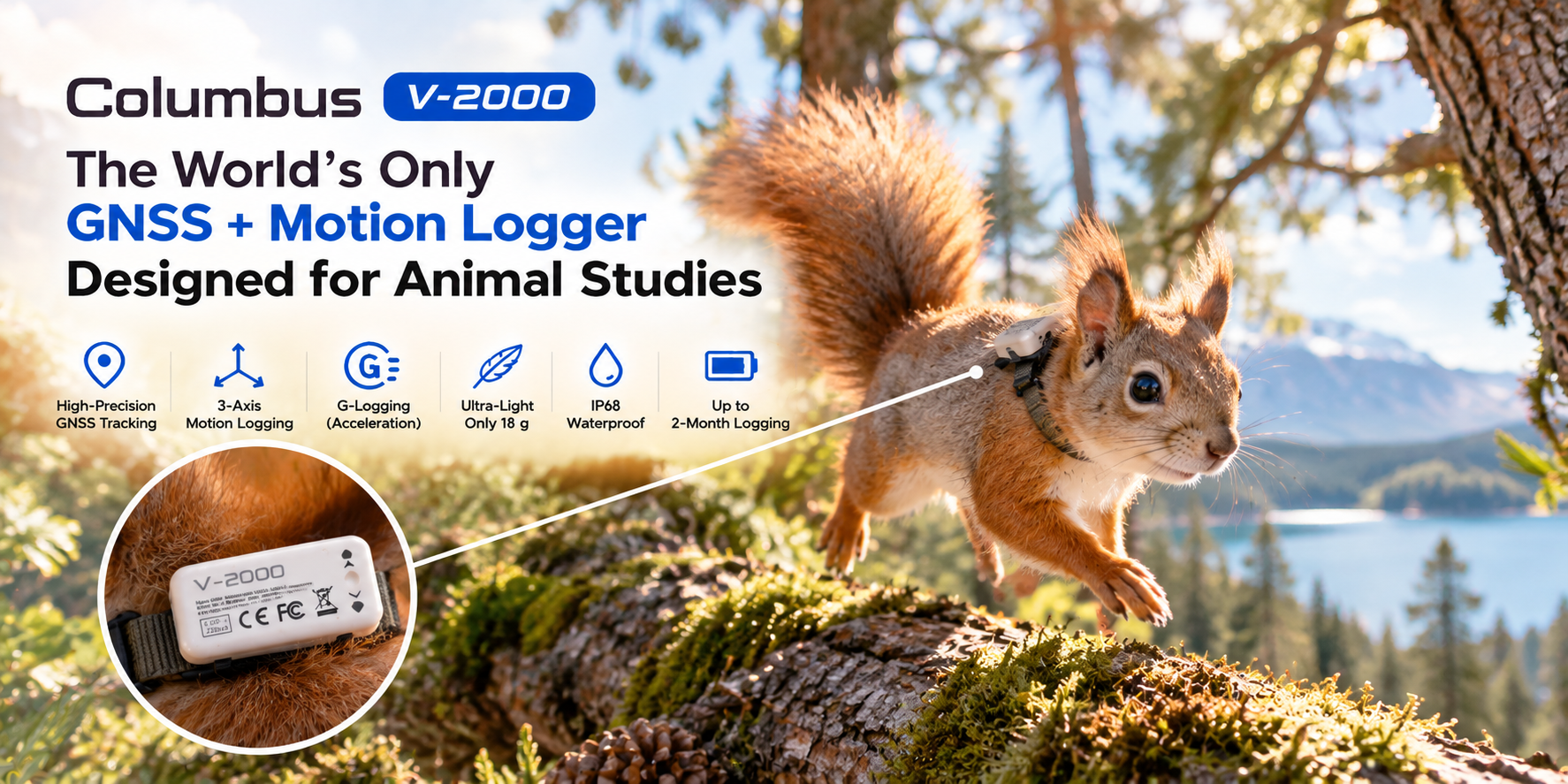
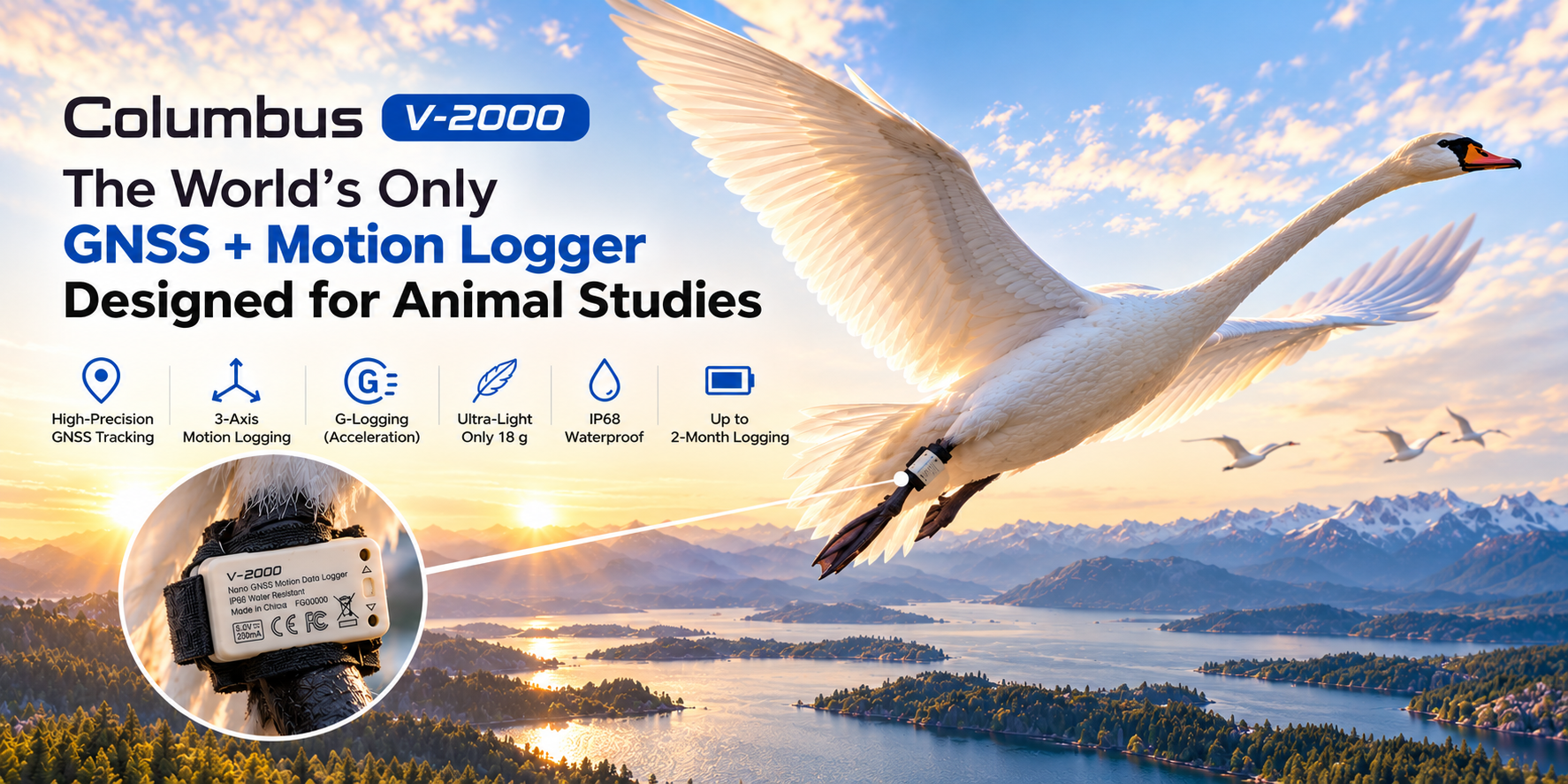
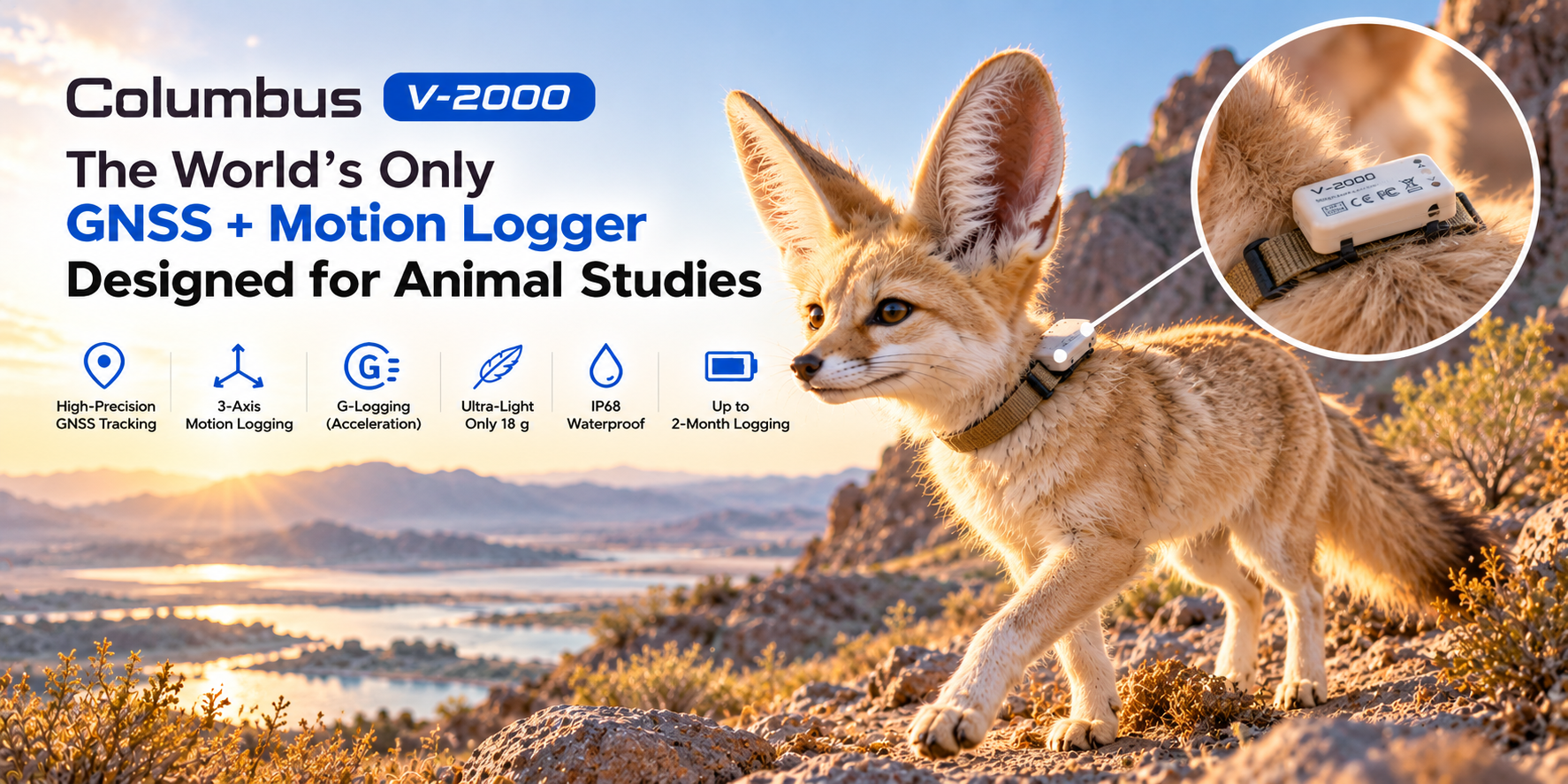
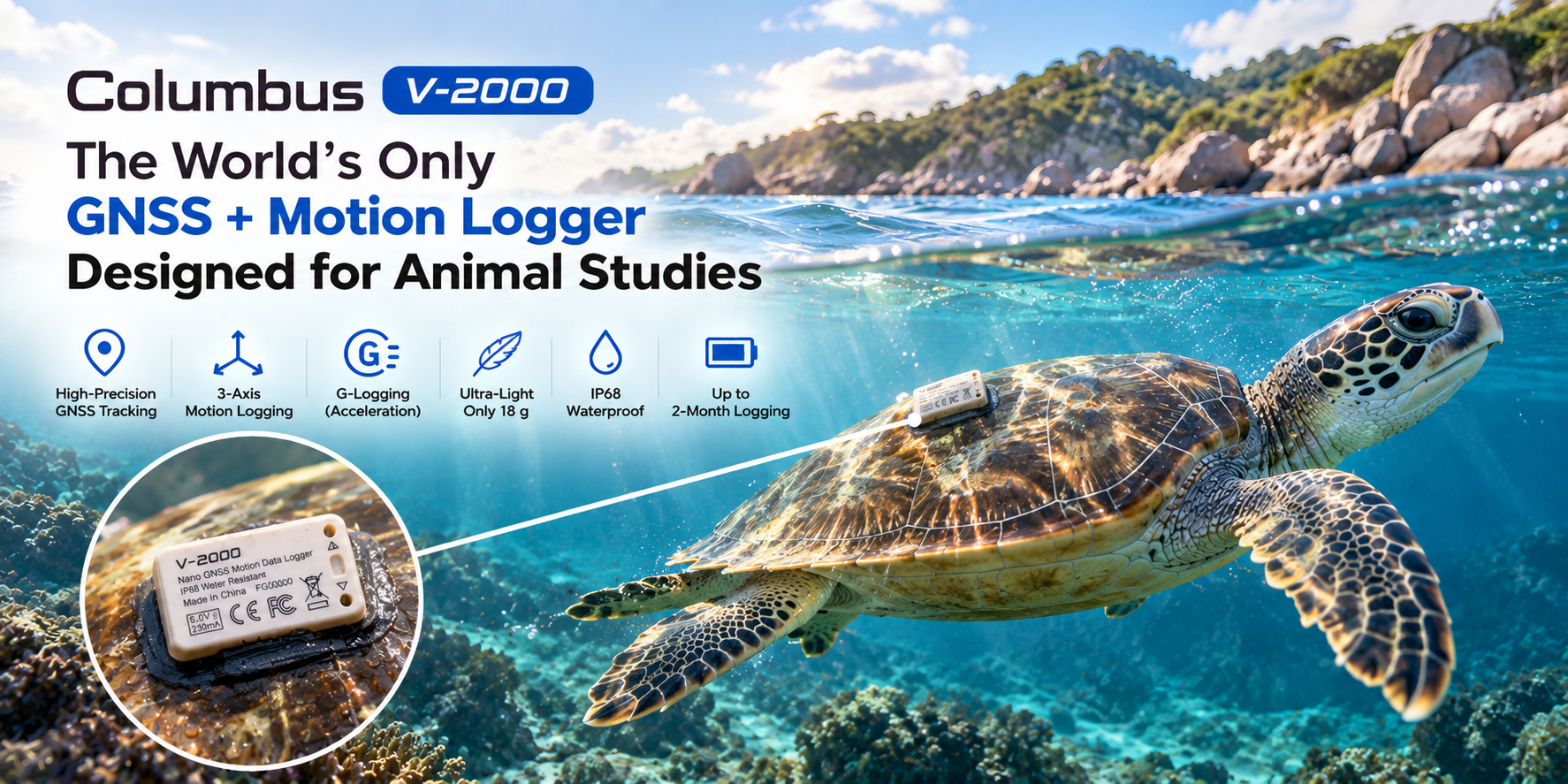
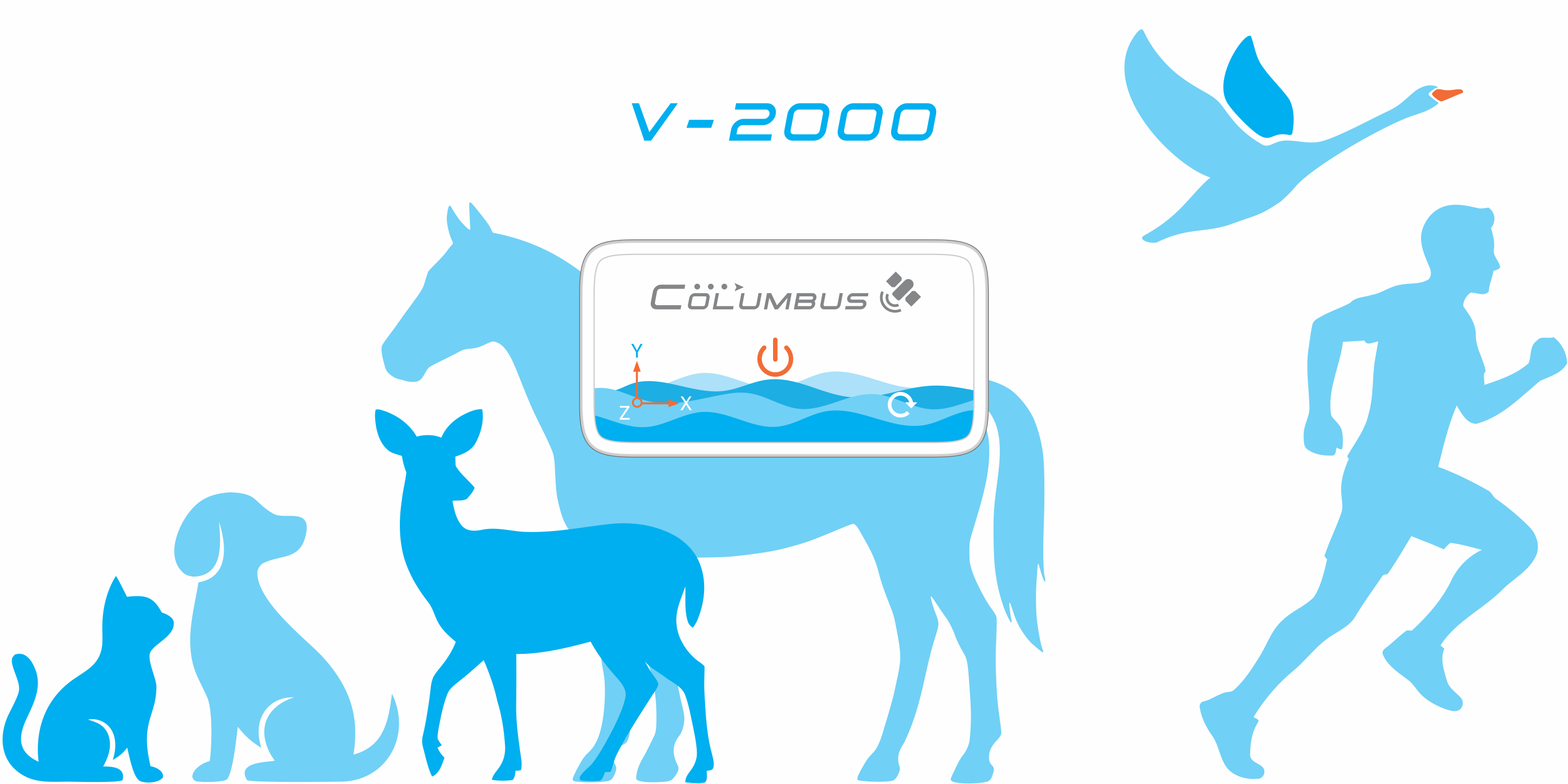
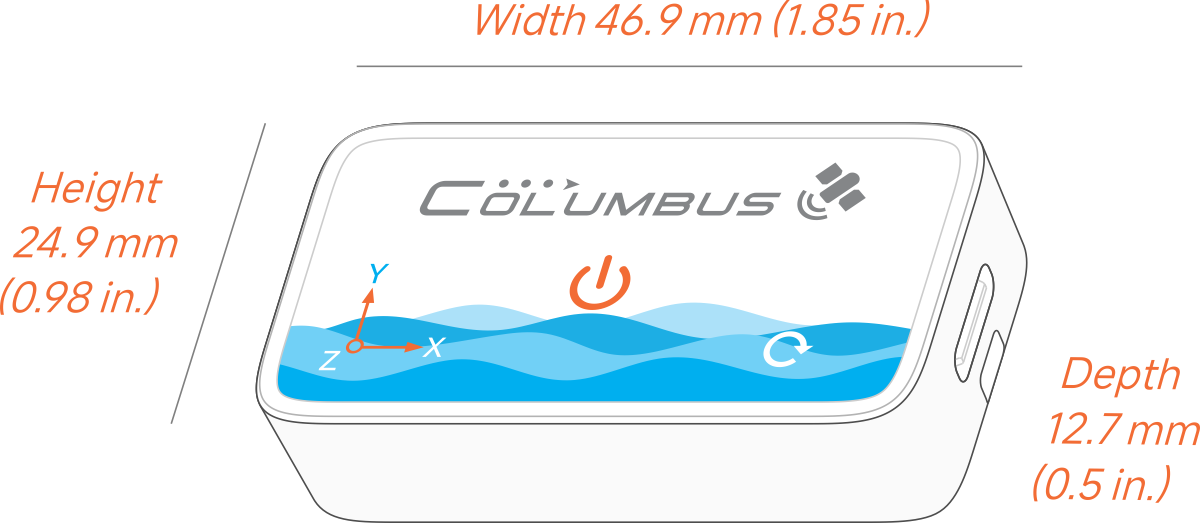
The Columbus V-2000 is a nano GNSS motion data logger built for animal behavior research, wildlife tracking, and ethology field studies. At 18 g and 24.9 × 46.9 × 12.7 mm, it is light enough for animal-borne deployments while recording synchronized GNSS position and 3-axis acceleration — so your study captures not only where an animal goes, but how it moves.
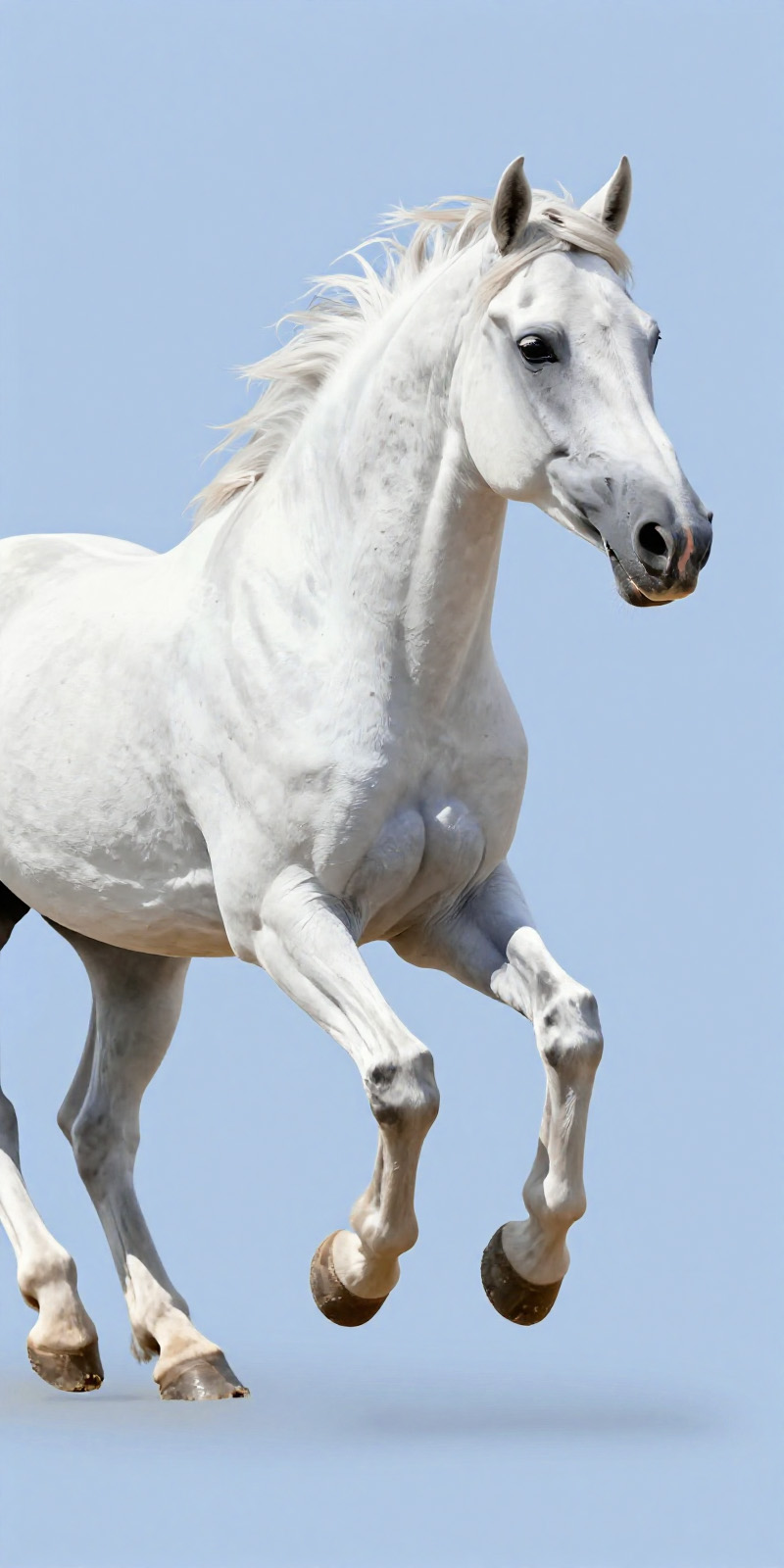
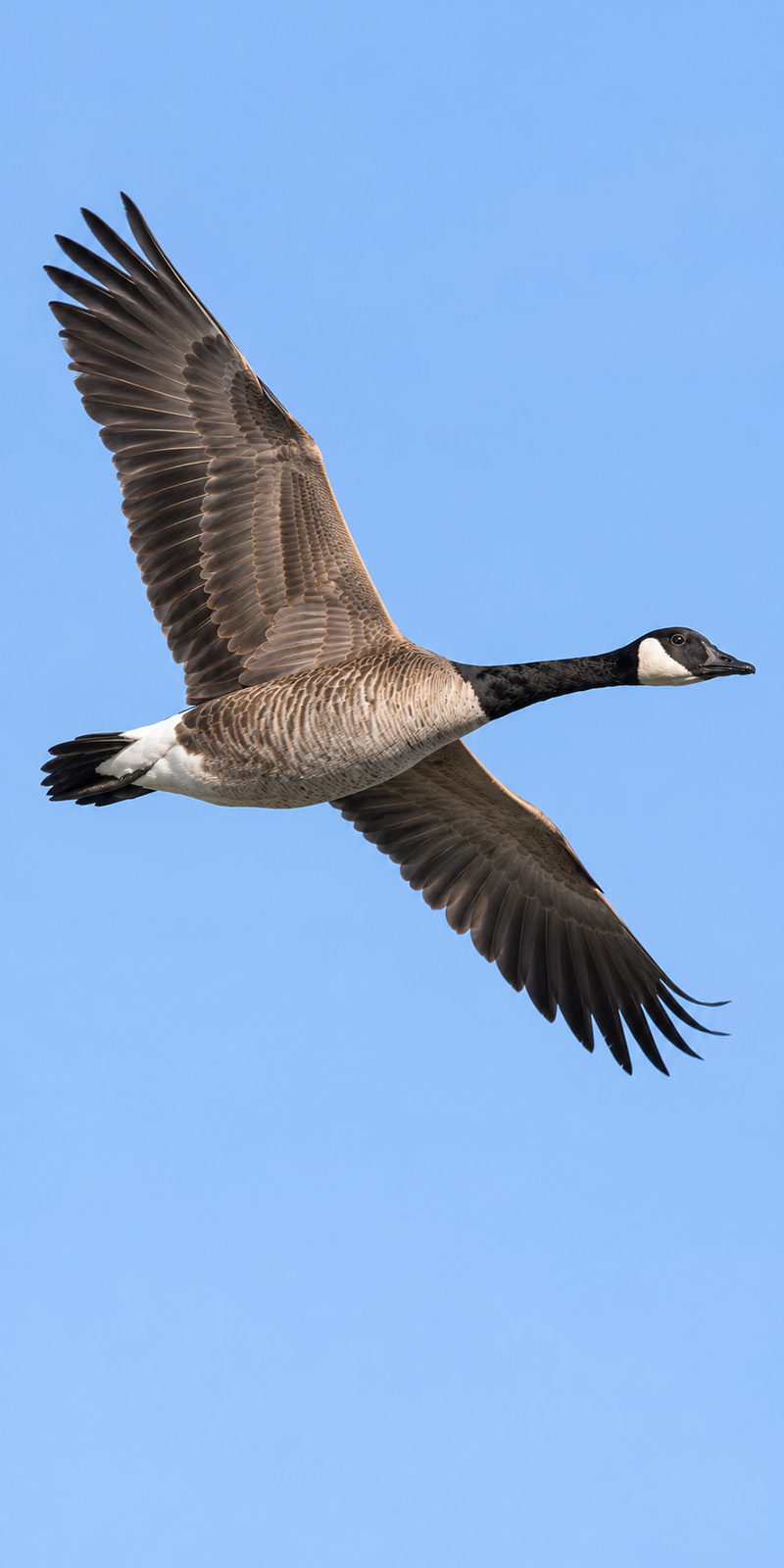
Universities, wildlife agencies, and animal-learning labs can use the V-2000 for collar, backpack, and custom mounts on birds, mammals, and other subjects. IP68 sealing, continuous / interval / scheduled logging, and up to 720,000 track points support short behavioral trials as well as multi-month field campaigns. USB-C mass storage keeps data recovery simple when many animals and many devices are in the study.
If you are looking beyond a generic GNSS logger — toward a purpose-built animal motion logger with research-ready formats (FUSION, CSV, GPX, NMEA) — the V-2000 is designed around that workflow.
Built for Animal Behavior & Wildlife Research
Track where the animal goes. Understand how it moves. — 18 g · GNSS + 3-axis accelerometer · IP68 · up to 2 months of interval logging.
Key Features for Animal Studies
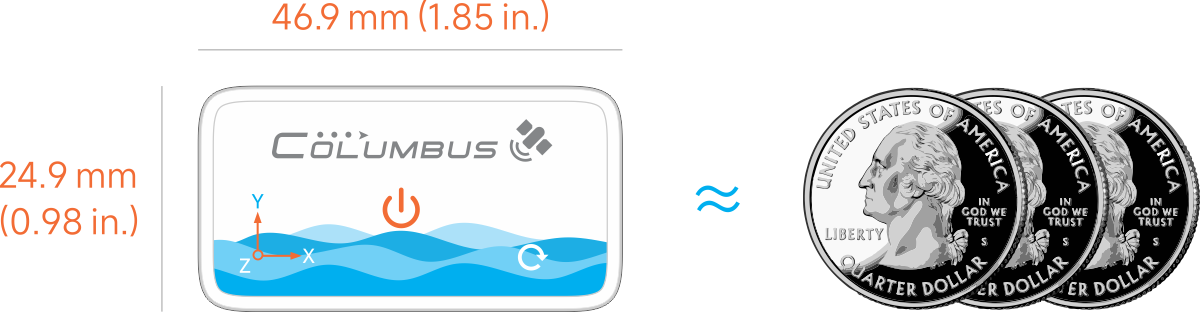
Ultra-Compact · Ultra-Lightweight
- 24.9 × 46.9 × 12.7 mm (0.98 × 1.85 × 0.50 in.)
- Volume 14.8 cc · Weight only 18 g (0.63 oz)
- Designed for small-animal tracking (guideline: logger + harness ≤ 5% of body weight; theoretically usable on animals ~400 g or more)
→ Animal-borne size without dropping GNSS + motion sensing
IP68 · Built for Harsh Field Conditions
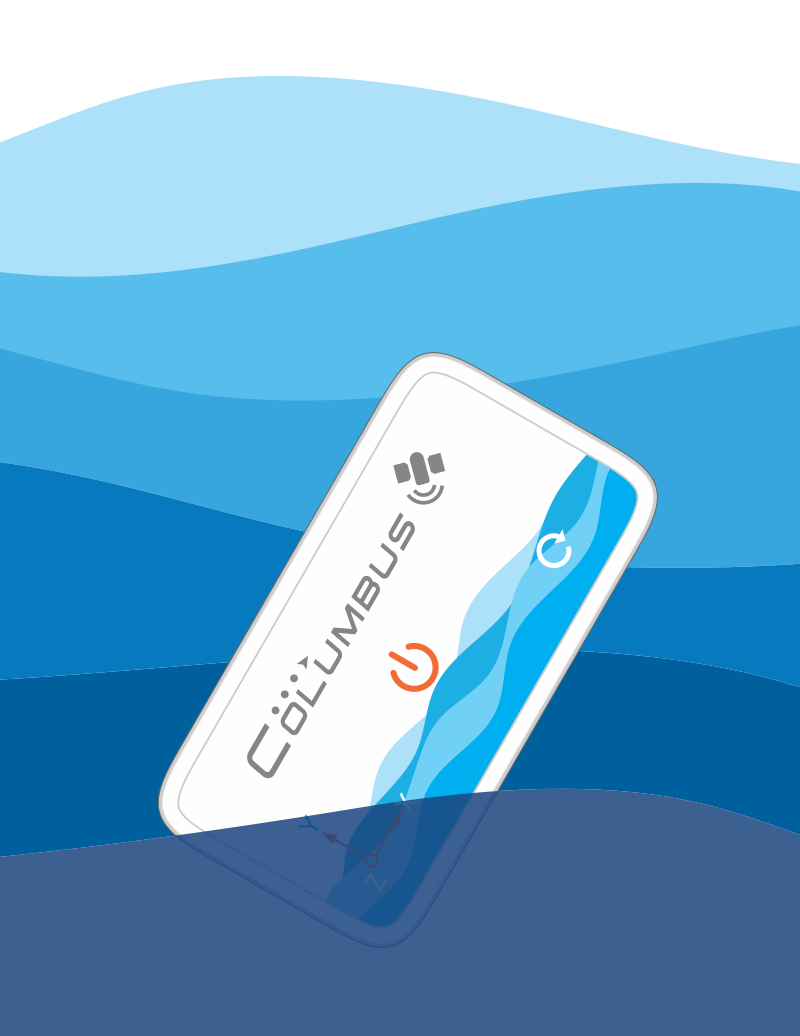
- IP68: immersion up to 1.5 m (5 ft) for 24 hours
- Fully sealed enclosure with waterproof silicone seals
- Button operation supported underwater
→ Rain, mud, humidity, and immersion in outdoor animal studies
Extended Battery Life
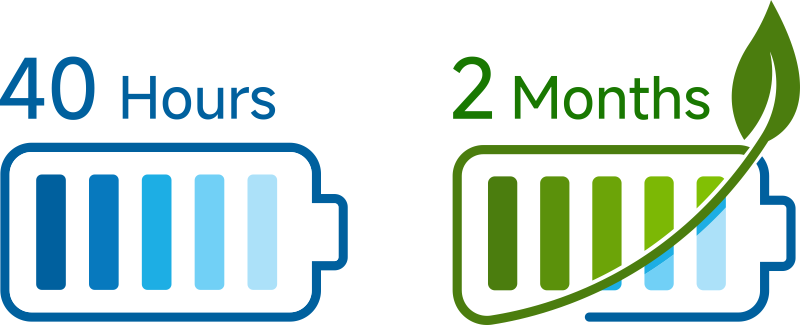
- Up to 40 hours continuous logging (1 Hz)
- Interval logging: ~1 month (every 2 min) · ~2 months (every 10 min)
- Scheduled logging: approximately 3–6 months (depends on daily duration)
→ From intensive behavioral trials to seasonal wildlife monitoring

High-Capacity Storage
- Built-in 32 MB (256 Mbit) memory
- Up to 720,000 track points (FUSION format)
- CSV / NMEA / GPX capacities listed in Technical Specifications
→ Long deployments without swapping media in the field
Synchronized GNSS & Motion Logging
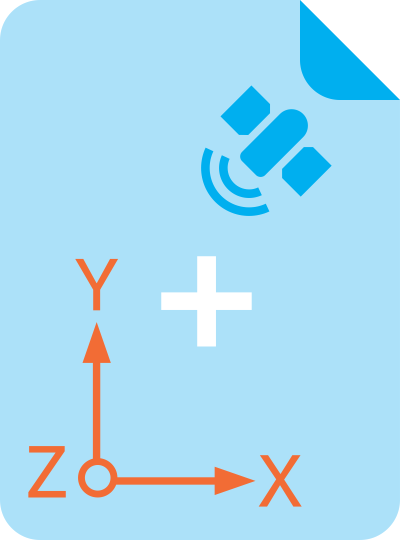
- GNSS position logged with 3-axis acceleration (X / Y / Z)
- Supports analysis of activity patterns and movement states*
- Data types: GNSS / GNSS + IMU / IMU
→ Richer ethology insight than location-only wildlife tags

Four File Formats
- FUSION — Columbus high-efficiency format with GNSS + acceleration in one record (~20% less storage than CSV)
- CSV — Columbus standard track format (compatible with P-1 Mark II / P-10 Pro workflows)
- GPX and NMEA for broad analysis and GIS software compatibility
→ Choose efficiency or interchange for your analysis pipeline

USB-C Charging & Direct Data Access
- USB Mass Storage on Windows, macOS, Linux, and Android
- OTG support for phones and tablets
- Typical file access in ~5 seconds* (10,000-point example)
→ Faster offload when managing many animal-borne devices
Flexible Configuration
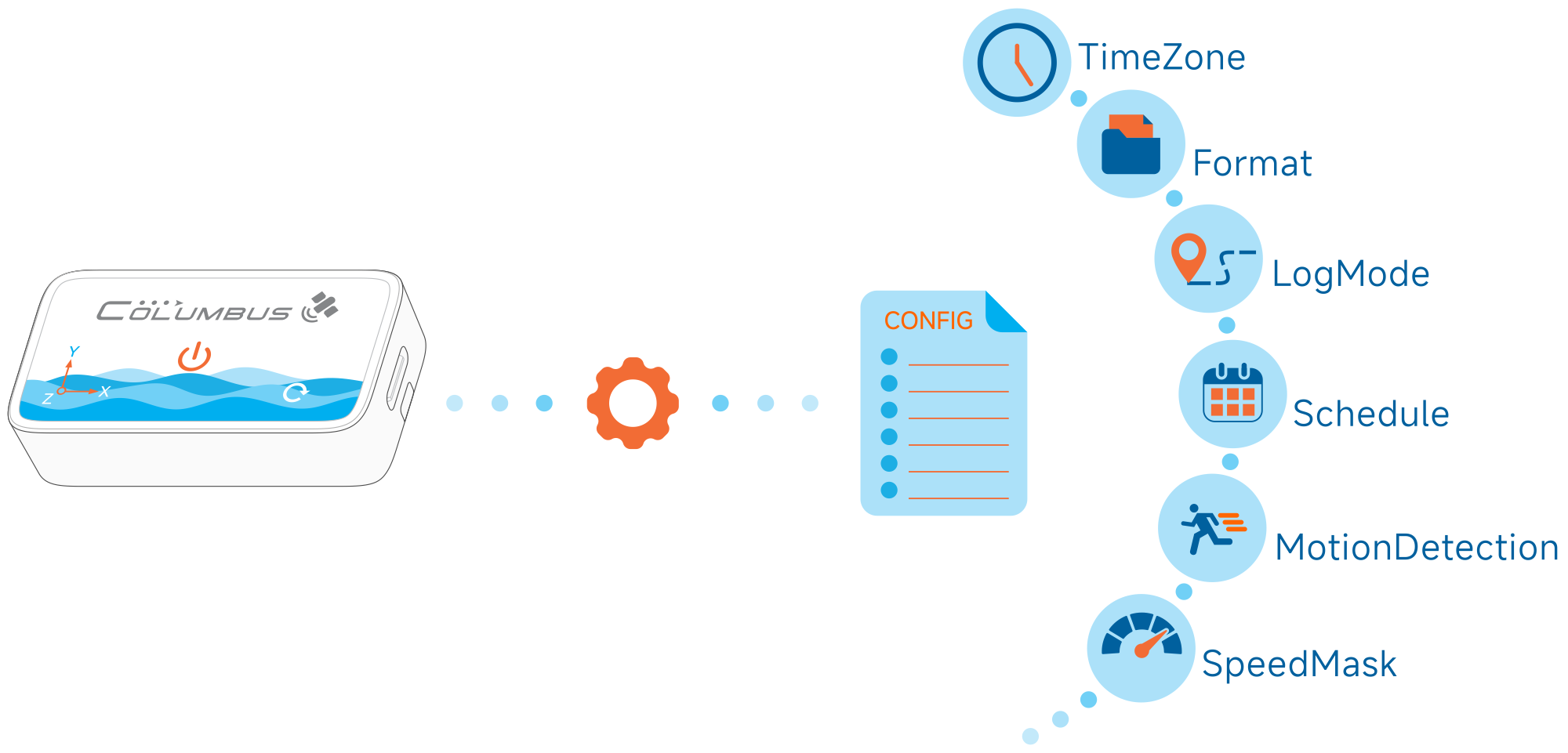
- Configure via a simple text config file (or Config Toolkit)
- Time zone, log format, data type, interval / distance logging
- Motion detection, speed mask, scheduled wake-up & duration
→ Standardize protocols across a research cohort
Logging Modes & Battery Life
Battery estimates assume open-sky conditions with good satellite reception. Weak GNSS environments can reduce runtime significantly.
Continuous Logging

Ideal for short-term animal studies that need continuous, detailed movement tracking. Up to about 40 hours at 1 Hz continuous recording.
Interval Logging
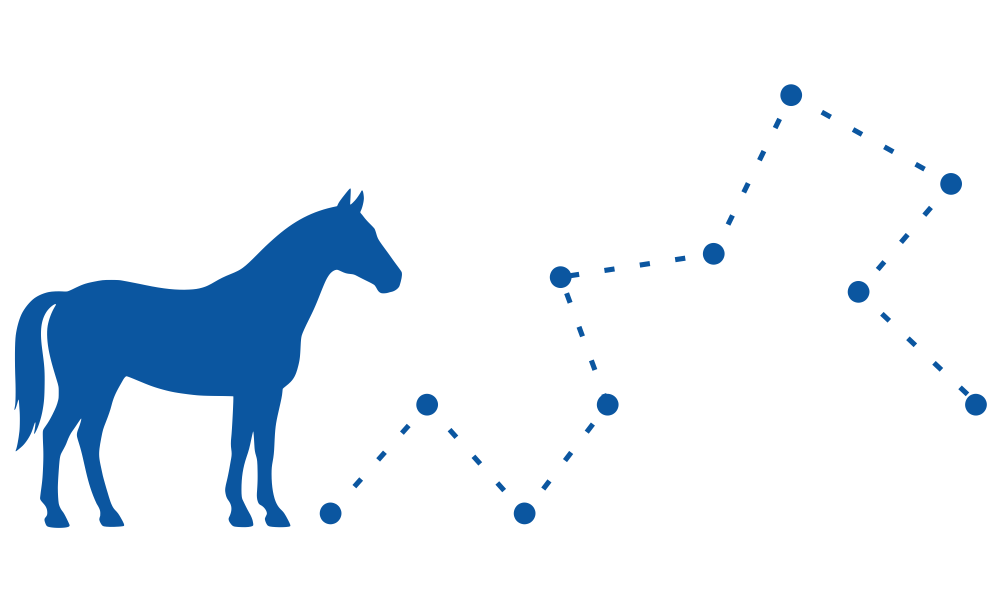
- Every 2 minutes: approximately 1 month
- Every 10 minutes: approximately 2 months
→ Balance track continuity and battery life for medium- to long-term animal tracking
Scheduled Logging
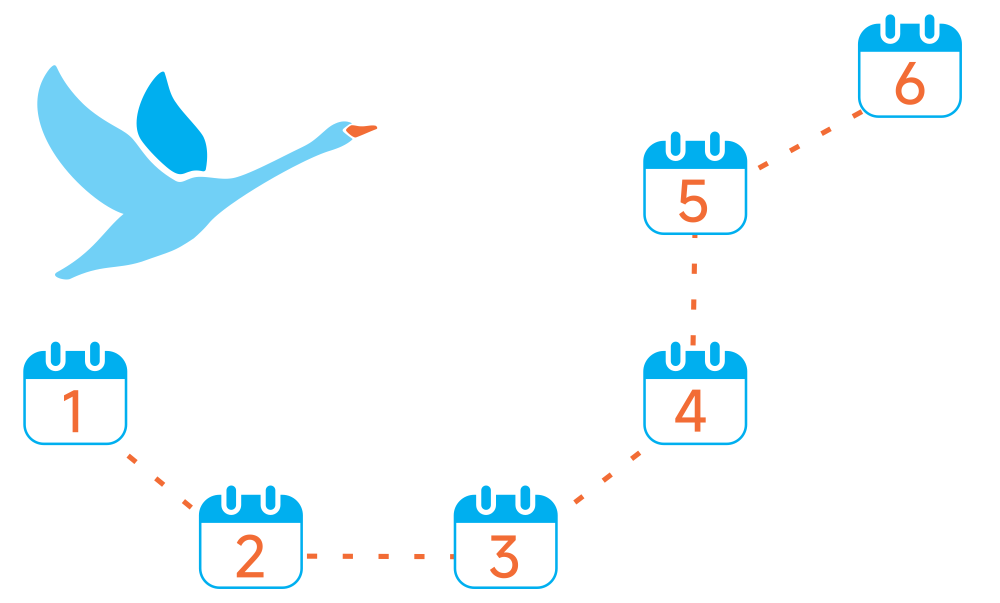
Wake on a schedule and log for a defined daily duration. Typical runtime is about 3–6 months, depending on configuration — well suited to long-term wildlife monitoring and seasonal activity studies.
GNSS Positioning in a Miniature Package
To achieve its ultra-compact, animal-borne form factor, the V-2000 uses a specially designed miniature GNSS antenna. Within a body just 24.9 mm wide, it integrates the antenna and receiver, motion sensor, power system, and data storage — delivering positioning performance comparable to larger receivers in a research-friendly size.
- u-blox M10 engine with multi-constellation support (GPS, BeiDou, Galileo, GLONASS, QZSS, SBAS)
- Columbus EPS Gen 6 ULP positioning technology
- Horizontal accuracy: 1.5 m CEP (50%), 4.0 m CEP (95%)* under open sky
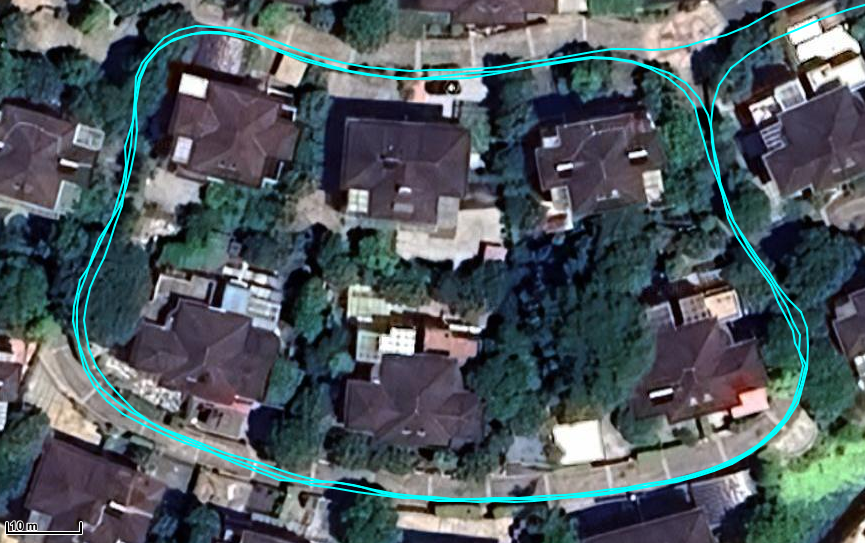
→ Compact animal tags with practical field positioning performance
Motion Insight: 3-Axis Acceleration for Ethology
The V-2000 records X, Y, and Z acceleration alongside GNSS tracks. Combined location and motion data help animal researchers study resting, walking, running, flying, and other behaviors, as well as activity levels and daily patterns.*
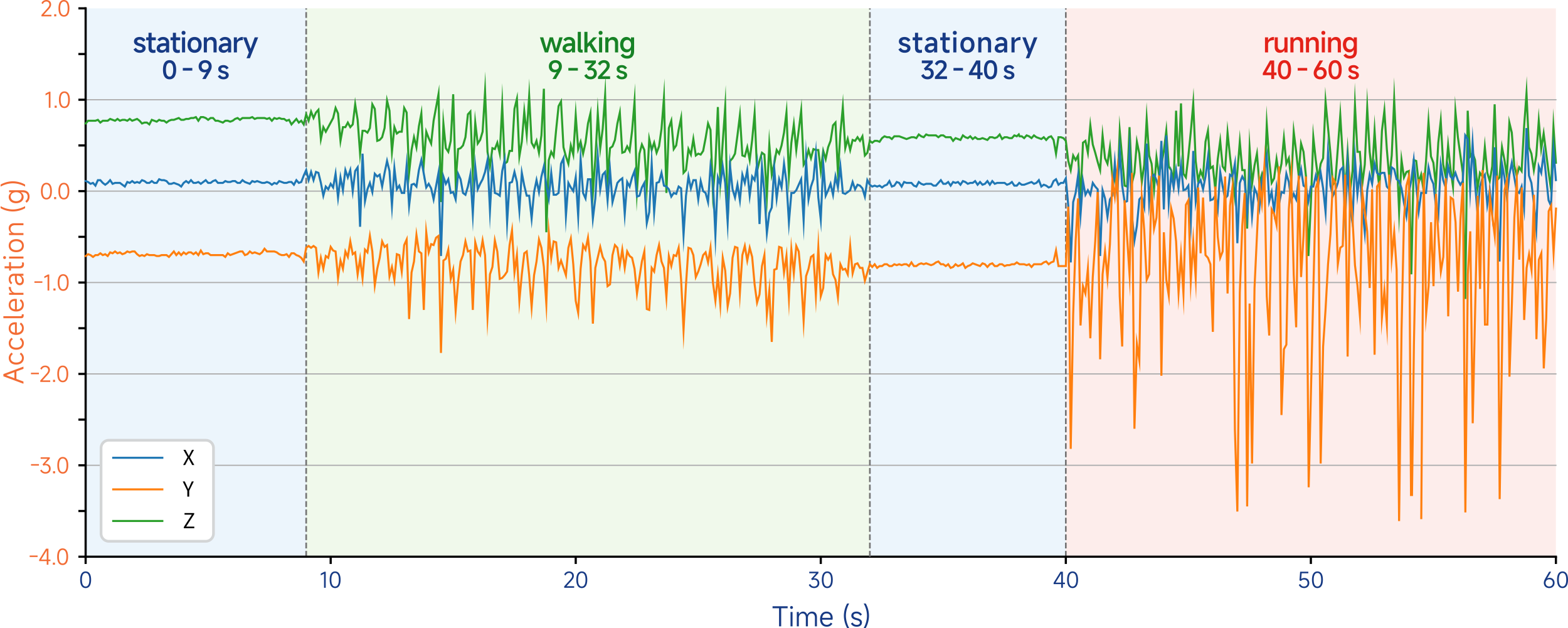
* Specific behaviors must be identified through further analysis of the collected data (for example with MATLAB or R).
Data Formats Compared
| Format | Data Capacity | Data Fields | Compatibility |
|---|---|---|---|
| FUSION | Highest (up to 720,000 points) | Most (GNSS + ax/ay/az in one record) | Moderate |
| CSV | High (up to 600,000 points) | Many | High (Columbus workflow friendly) |
| GPX | Moderate (up to 153,000 points) | Moderate | Widest |
| NMEA | Up to 228,000 points | Standard NMEA sentences | Wide (instrument / GIS friendly) |
USB-C Direct Access
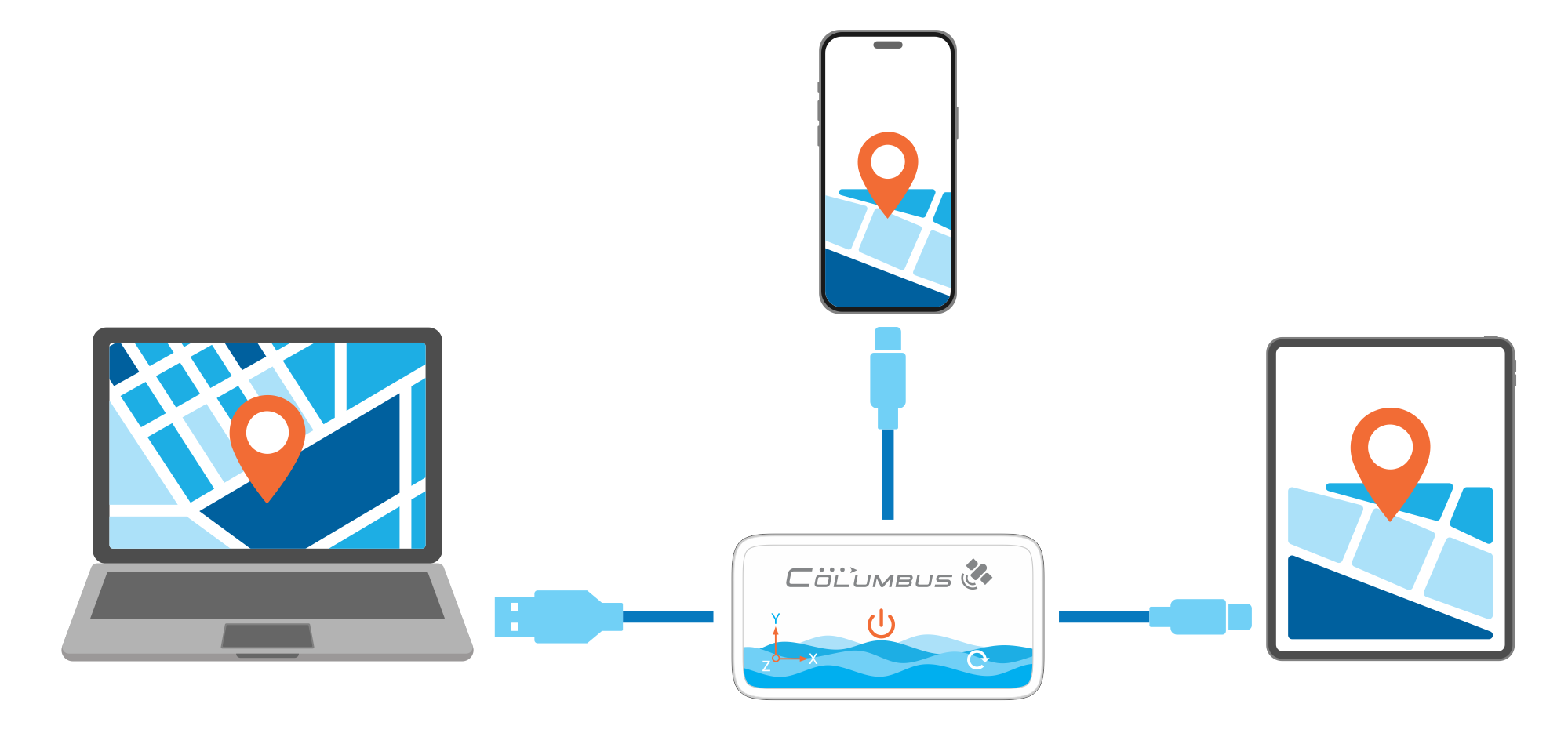
The V-2000 appears as a standard USB Mass Storage device. Copy track files directly — no dedicated desktop transfer software required. USB OTG is supported for compatible smartphones and tablets, which helps when collecting data from many animal-borne units after recovery.
* File-access timing example is based on a track containing 10,000 points.
Flexible Mounting for Animals & Research Platforms
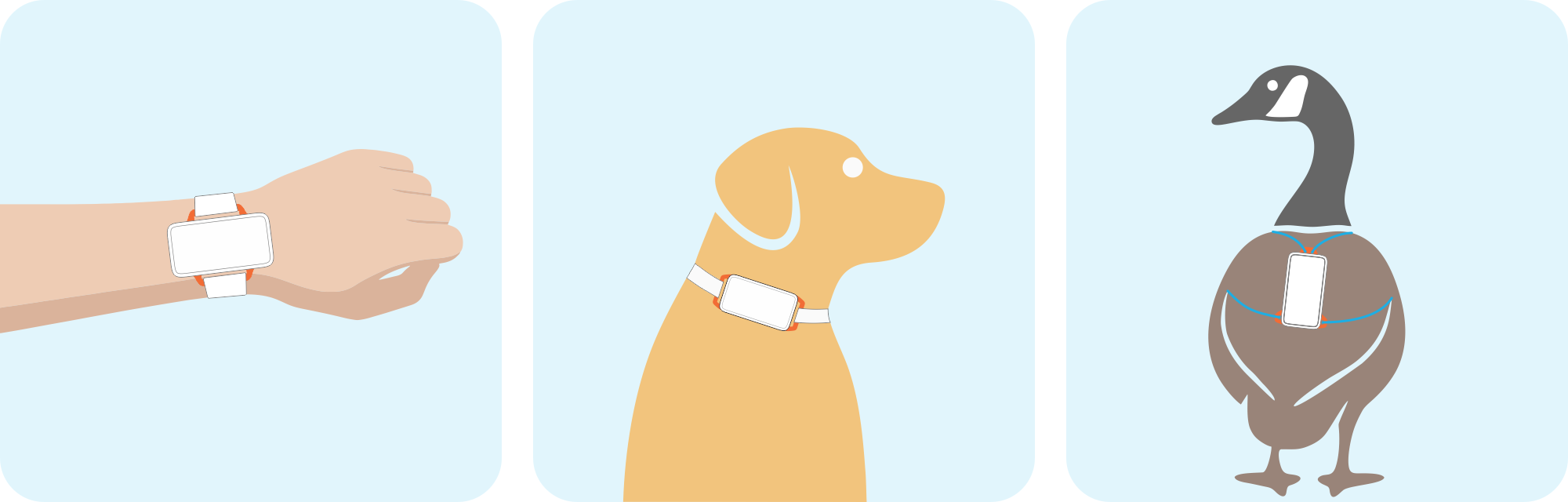
Dedicated mounting points on the bottom of the device, plus an official 3D model for custom mount design, make it straightforward to adapt the logger to different animals and study protocols.
- Animal collars
- Animal backpack mounts
- Mounts for birds and small animals
- Wrist mounting (human / comparative studies)
- Outdoor equipment and research platforms
→ Design and 3D-print mounts that fit each species and study
Easy Updates & Customization

Firmware can be updated without a dedicated update utility. For academic research, wildlife tracking, and specialized animal-behavior projects, custom firmware development is available from Columbus to match specific operating modes and feature needs.
Parts Description

Technical Specifications
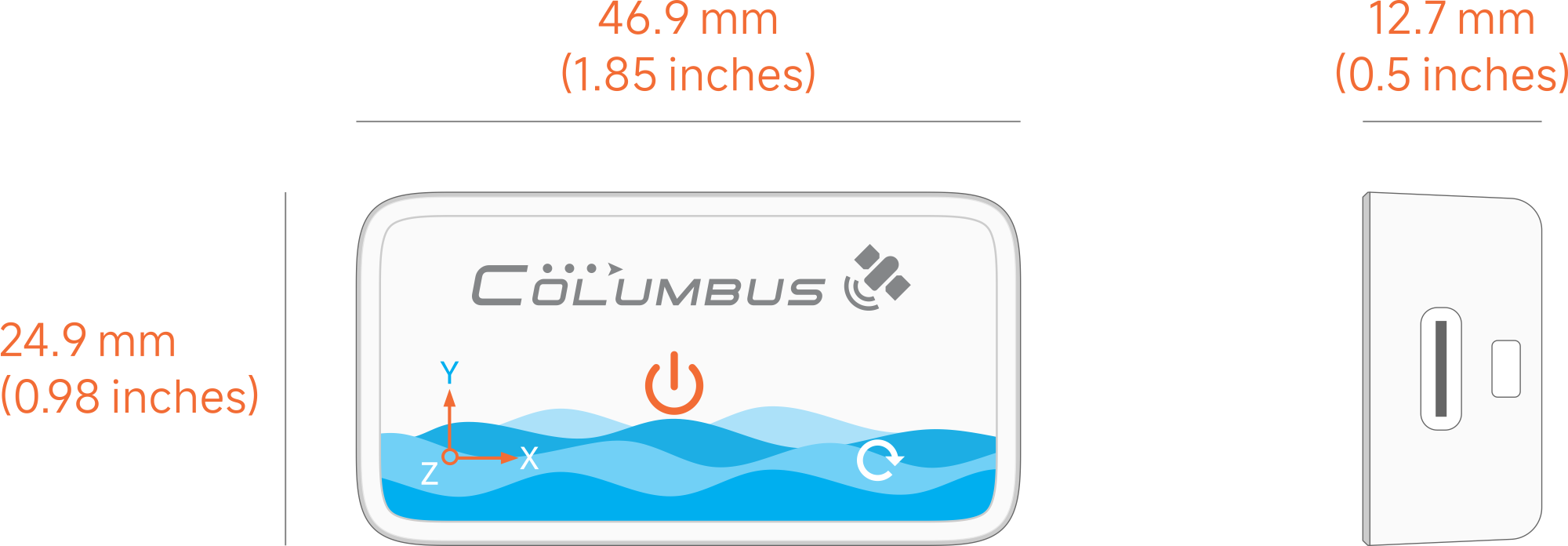
Size and Weight
| Dimensions | 24.9 × 46.9 × 12.7 mm (0.98 × 1.85 × 0.50 in.) |
| Volume | 14.8 cc (0.90 cu in.) |
| Weight | 18 g (0.64 oz) |
Ingress Protection
| Rating | IP68 (max. depth 1.5 m up to 24 hours) per IEC 60529 |
Environmental Requirements
| Operating Temperature | −20°C to 60°C (−4°F to 140°F) |
| Charging Temperature | 0°C to 40°C (32°F to 104°F) |
| Relative Humidity | 5% to 95% noncondensing |
| Operating Altitude | Tested up to 20,000 ft (6,000 m) |
GNSS Engine
| Engine | u-blox M10 · Columbus EPS Gen 6 ULP* |
| GPS | L1C/A (1575.42 MHz) |
| BeiDou | B1I, B1C (1561.098 MHz) |
| Galileo | E1B/C (1575.42 MHz) |
| GLONASS | L1OF (1602 MHz) |
| QZSS | L1C/A, L1S (1575.42 MHz) |
| SBAS | L1C/A |
GNSS Performance*
| Horizontal Accuracy | 1.5 m CEP (50%) · 4.0 m CEP (95%) |
| Cold Start | 28 s |
| Hot Start | 1 s |
| Max. Altitude | 80,000 m |
| Max. Speed | 1,800 km/h |
Motion Sensor
| G-Sensor | X, Y, Z axes · ±16 g |
Storage
| Capacity | 32 MB (256 Mbit) |
| FUSION | 720,000 points |
| CSV | 600,000 points |
| NMEA | 228,000 points |
| GPX | 153,000 points |
Power and Battery
| Battery | 400 mAh Li-Polymer (built-in) |
| Continuous Recording | 40 hours (1 Hz) |
| Interval Recording | ~1 month (2 min) · ~2 months (10 min) |
| Scheduled Recording | ~3–6 months (depends on settings) |
| Charging Time | ~2.5 hours |
| External Power | DC 5 V / 230 mA |
System Requirements (USB Mass Storage / OTG)
| Desktop | Windows 10 or later · macOS 15 or later · Linux Ubuntu 22.04 or later |
| Mobile (OTG) | iOS 17 or later* · Android 11 or later* |
Certificate
| Certifications | CE · FCC · RoHS |
* GNSS performance and battery-life figures are based on open-sky testing. EPS Gen 6 ULP is proprietary Columbus technology. Mobile access is via OTG.
Time Album Pro Software
Time Album Pro is Columbus’s free desktop application for reviewing, editing, converting, and analyzing track data from Columbus GNSS data loggers. Open V-2000 CSV, GPX, or NMEA files on a map, compare sessions with speed and altitude charts, and export to common GPS formats for further analysis.
- 14+ map styles, including Google Maps, Google Satellite, and OpenStreetMap
- Speed and altitude charts: time–speed, time–altitude, distance–speed, distance–altitude
- Track editing, conversion across 20+ GPS formats, and photo geotagging
- Windows, macOS (Apple Silicon and Intel), and Linux

Download Time Album Pro v3.6
Updated Aug 23, 2026. Linux builds require Java 17. Downloads are hosted on the official Columbus site (cbgps.com).
Columbus V-2000 Config Toolkit
The V-2000 can be configured with a plain-text config file. For a guided desktop experience, GPSWebShop also provides the Columbus V-2000 Config Toolkit for Windows and macOS (Apple Silicon), covering common settings such as time zone, logging format, log mode, schedule, motion detection, and speed mask — useful when preparing many devices for the same animal-study protocol.
Download Config Toolkit v0.1.0
 Windows Installation Note
 If Windows SmartScreen or macOS shows a security prompt on first launch, follow the Installation Note for your system.
What's in the Box
- V-2000 Nano Motion Data Logger
- USB-C Cable
- Carrying Strap
Product Resources
Official Documents
Sample Data Downloads
Tech Support Topics and Forums